 myIIT
myIIT

To cater to the Research and Development (R&D) activities at IIT DHARWAD and surroundings, Sophisticated Central Instrumentation Facility (SCIF) is being established at IIT DHARWAD. The facility consists of state-of-the-art instruments which will be useful in carrying out cutting-edge research in various fields of Science and Engineering and Material science. The SCIF houses variety of highly sophisticated instruments which includes Field emission scanning electron microscopy (FE-SEM) Atomic Force Microscopy (AFM), Universal Testing Machine (UTM), Nuclear Magnetic Resonance (NMR) spectrometer, Probe station, UV-Vis-NIR spectrophotometer, Fluorimeter and Powder X-ray Diffraction etc.
In charges
Facilities
1) Atomic Force Microscope (AFM)
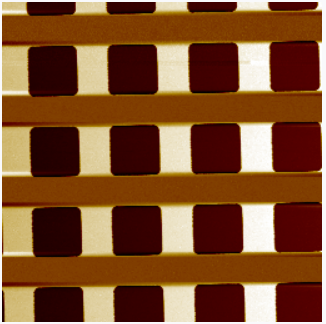
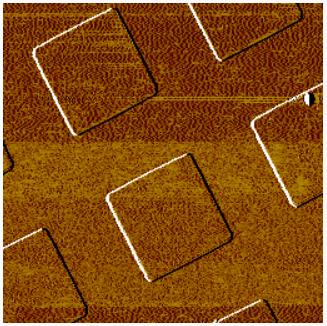
AFM is primarily used to get the 3D images and thickness profiles of nanostructures. This equipment has all the standard imaging modes (contact, true non-contact, tapping, phase imaging). The facility is also equipped with accessories that can be used to study the thermal, electrical, chemical, dielectric etc. properties of material. This equipment can be used to characterize thin film as well liquid samples.
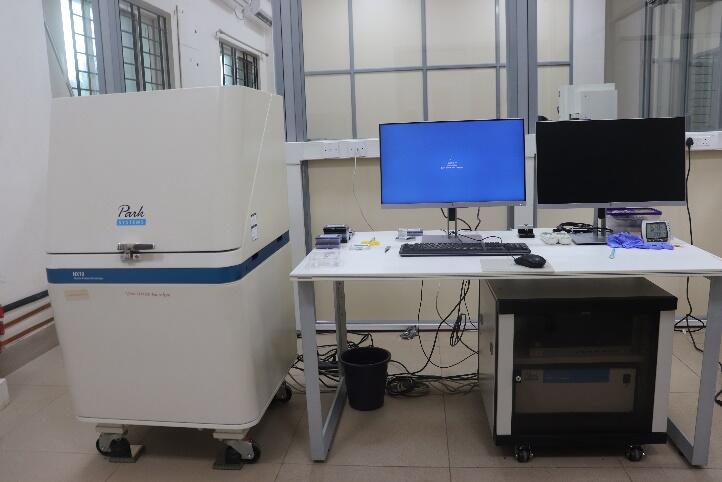
Model No: Park Systems NX 10
2) Fluorimeter
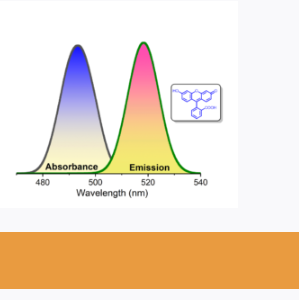
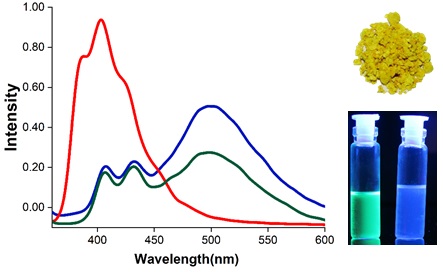
The equipment is useful in studying the fluorescent characteristics and to measure the quantum yields of the compounds, in solution, thin films and solid state. The instrument is coupled with integrating sphere which will enable measurement of absolute quantum yields of the fluorescent samples (solution and thin film/solid state).
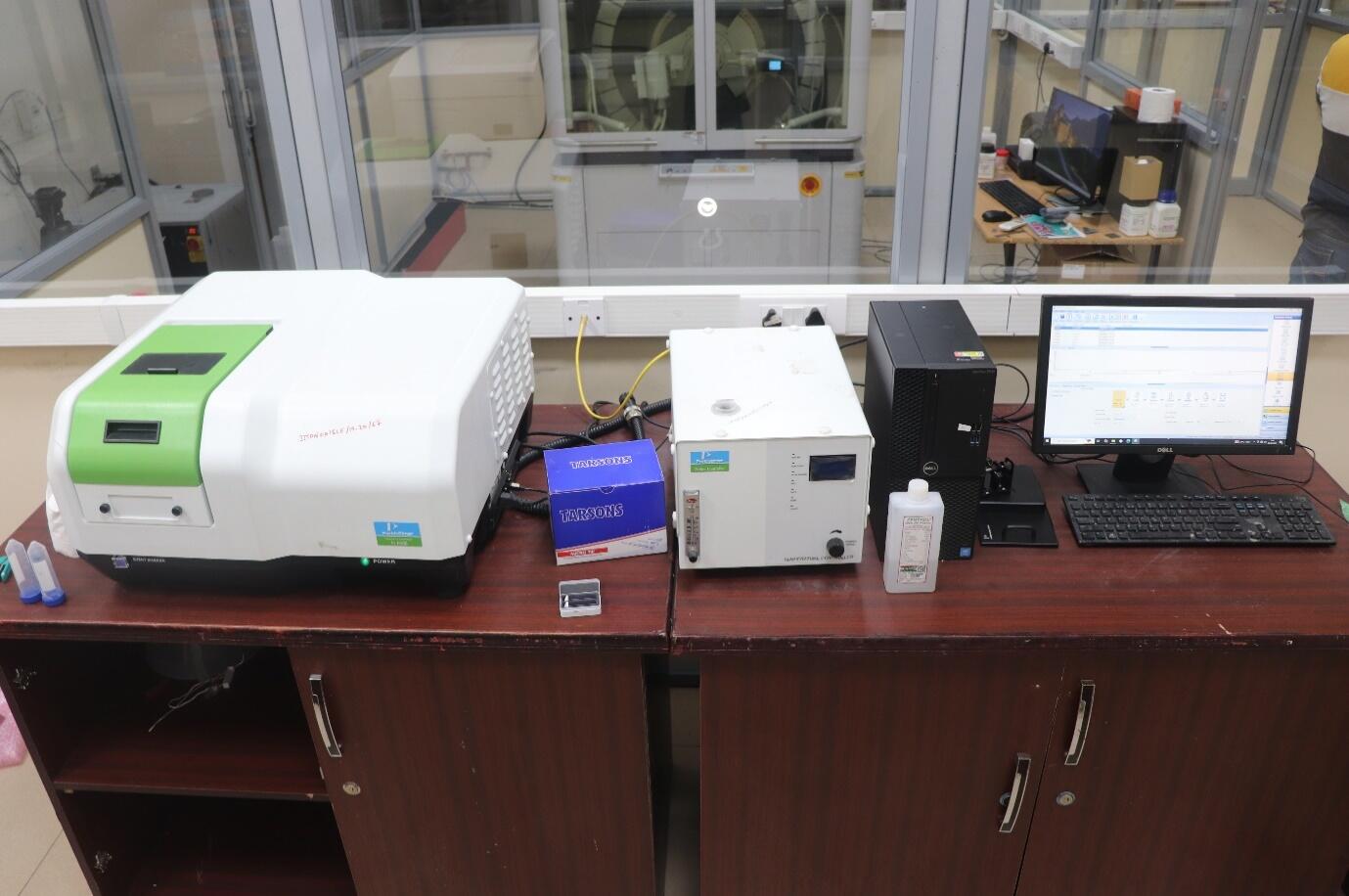
Model No: Perkin Elmer: FL6500
3) Nuclear Magnetic Resonance Spectrometer (NMR)
The facility will be useful in structure determination, quantification, and in the analysis of purity of chemical compounds. The instrument can record 1D- and 2D-1H, 13C and many more heteronuclear (19F, 31P, 14N, 11B, etc.) spectra. It is capable of characterizing both in solution and solid state samples.
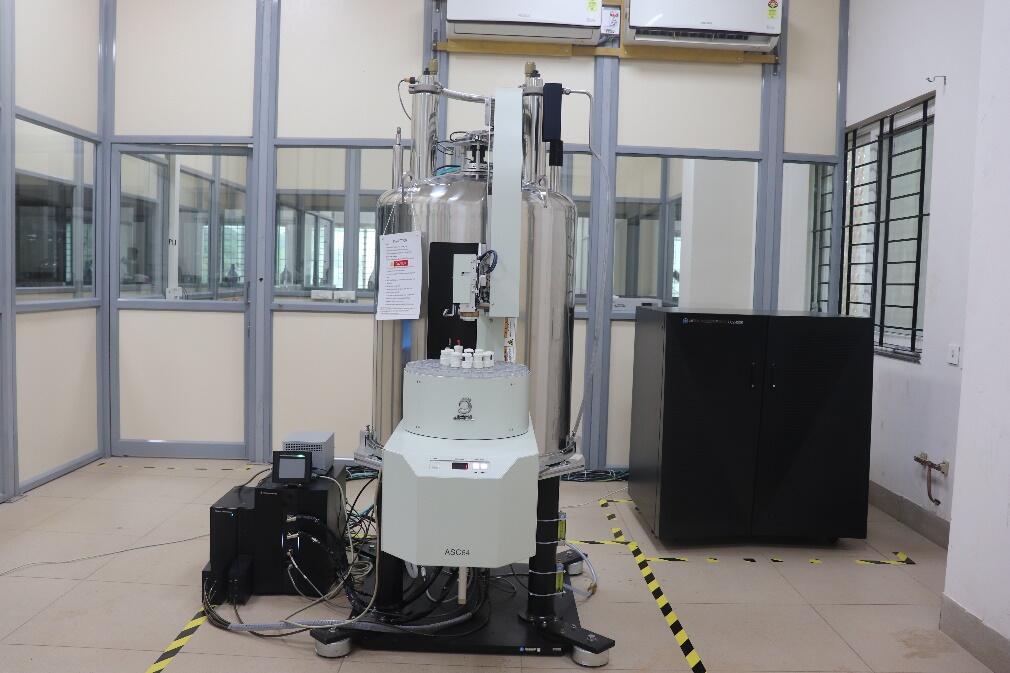
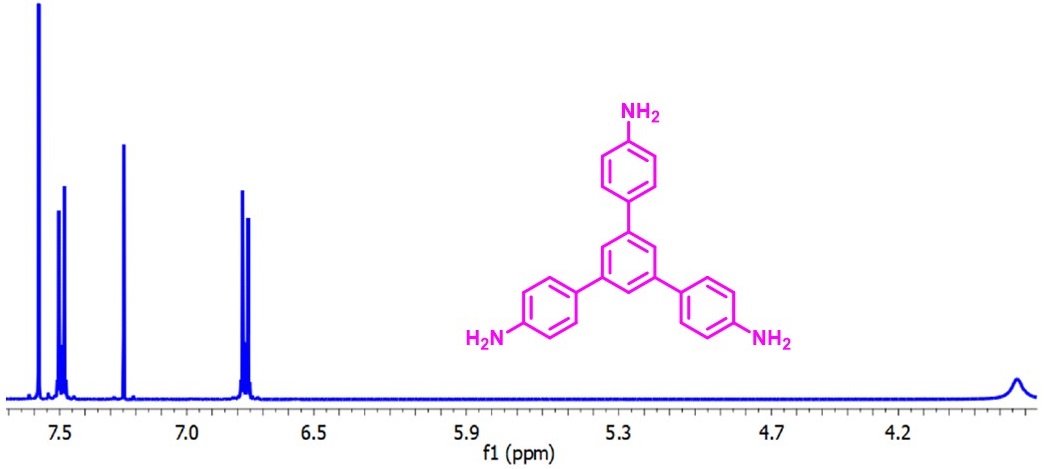
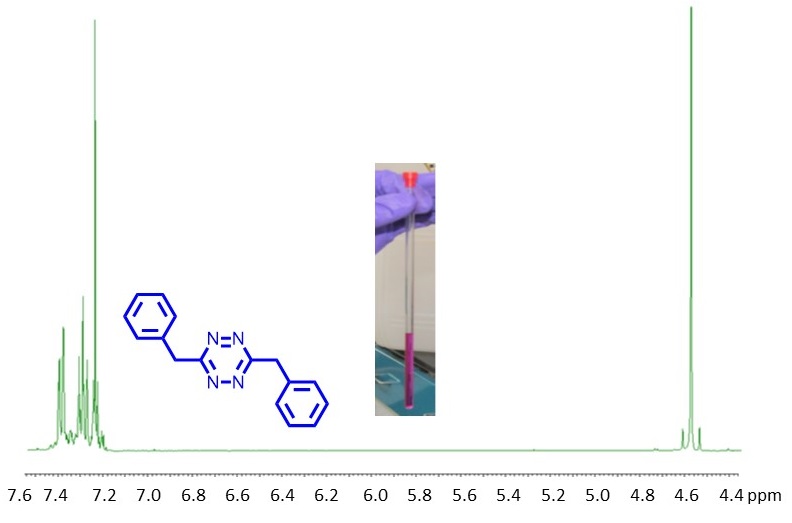
Model No: Jeol:400 MHz NMR spectrometer
4) UV-Vis-NIR Spectrophotometer
The instrument is useful in studying the absorption characteristics of organic/inorganic compounds which absorbs in UV, visible and Infra-red region of the spectrum. It can also assist in identification and determination of the concentration of the unknown compounds. The equipment is also capable of characterizing solution, thin-film, powder state samples.
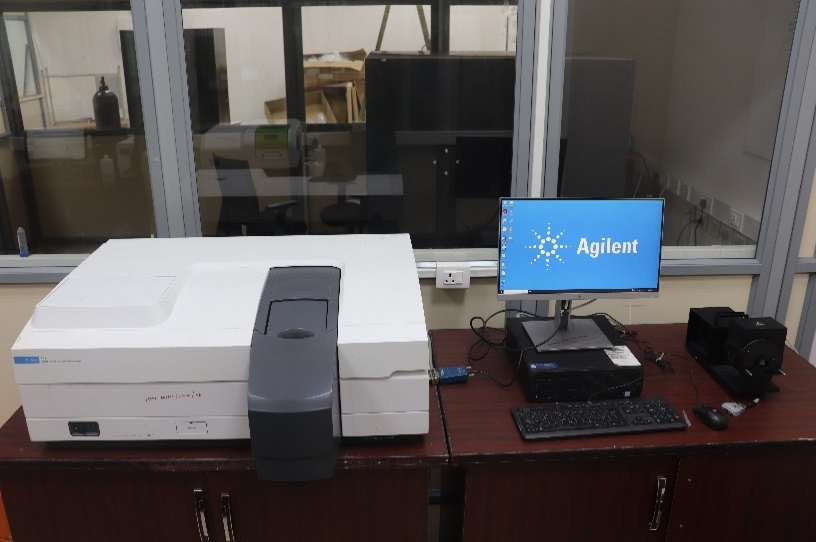
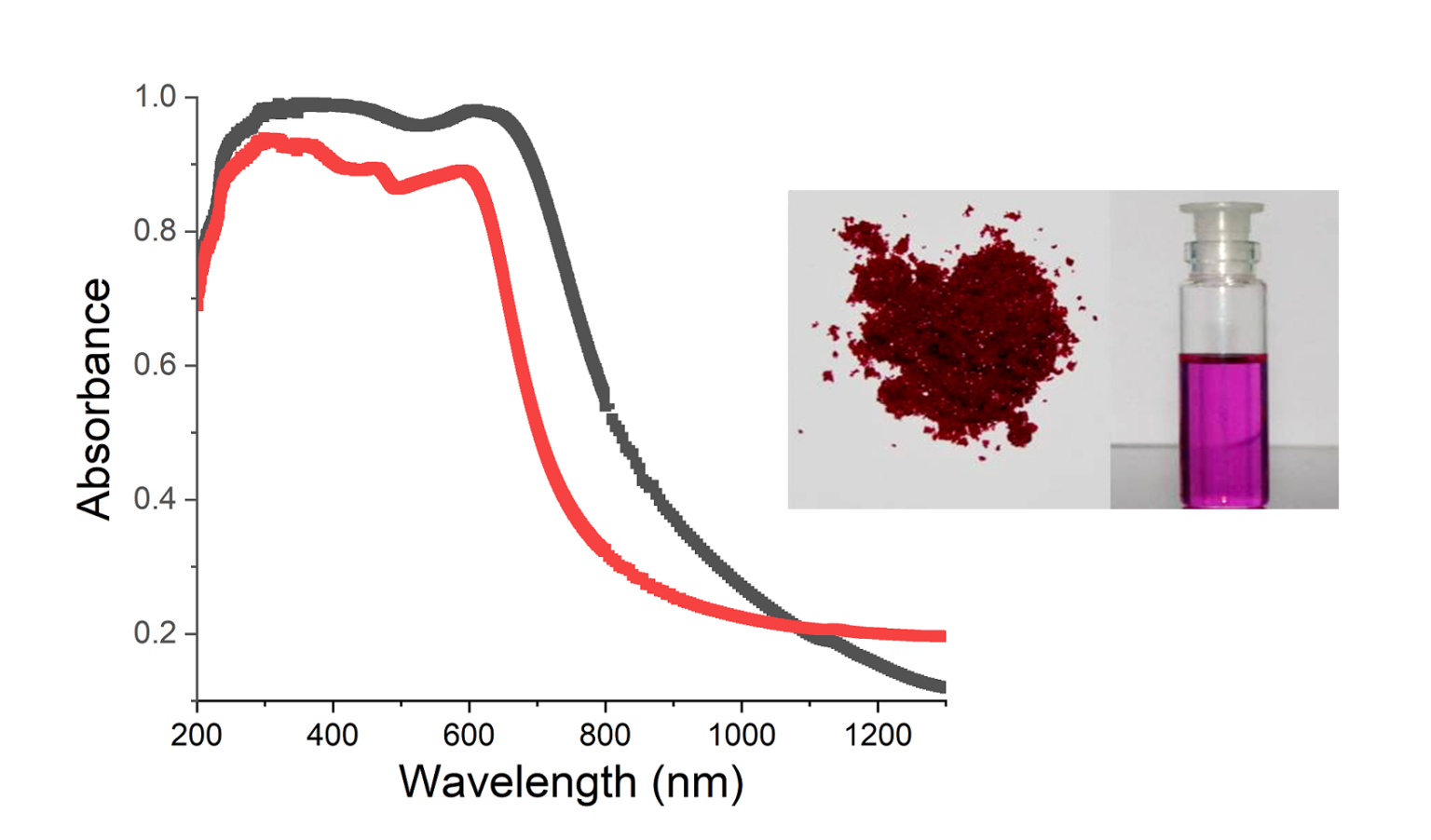
Model: Cary 5000
5) Universal Testing Machine (UTM)/Axial Torsion Testing Machine
The 100 kN capacity UTM can be employed to conduct tests including fJ1C tests by introducing fatigue-crack, low-cycle and high-cycle fatigue, tensile (flat and round specimens), compression and flexural tests. The 25 kN capacity UTM can be employed to conduct tests including monotonic axial and torsional loadings, Dynamic axial and torsional loading test, a combination of axial and torsional loadings which are in- and out-of-phase. The specimens include flat, round and tubular specimens.
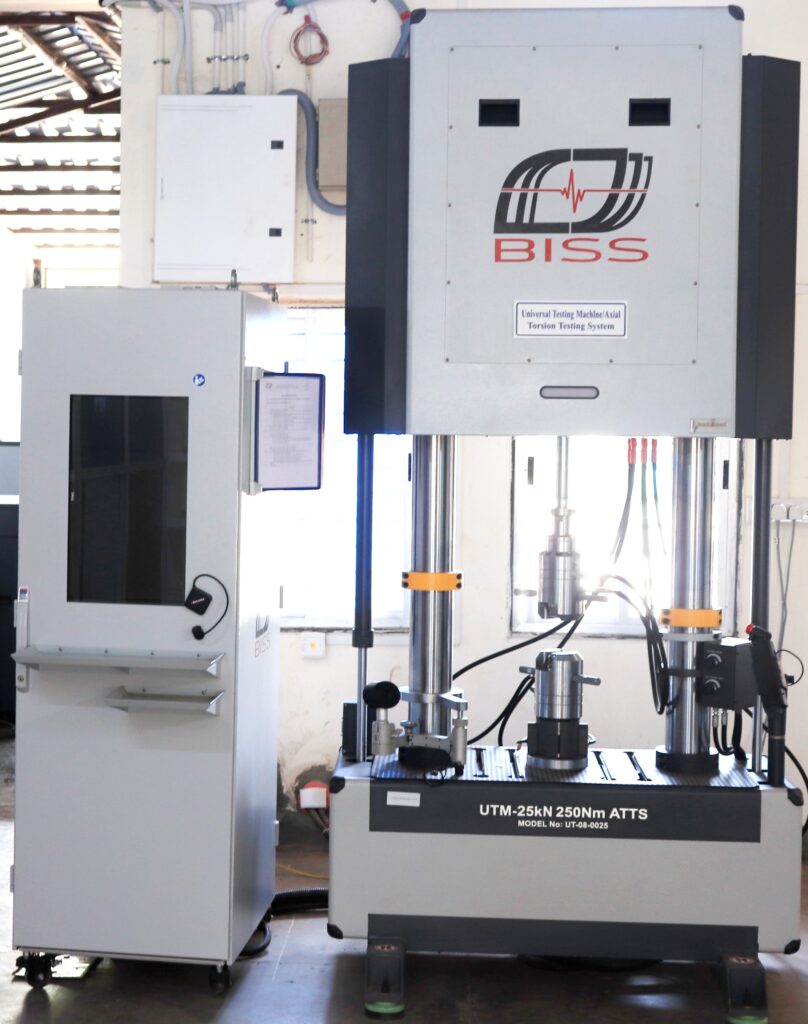
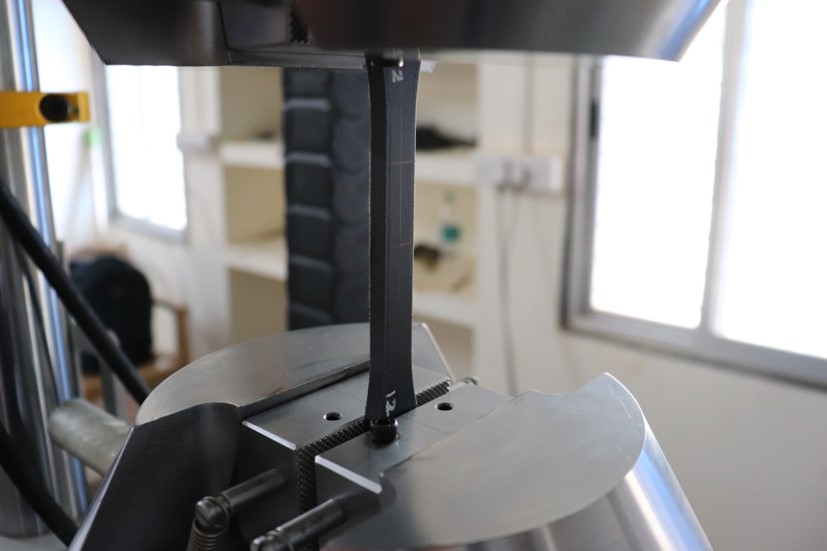
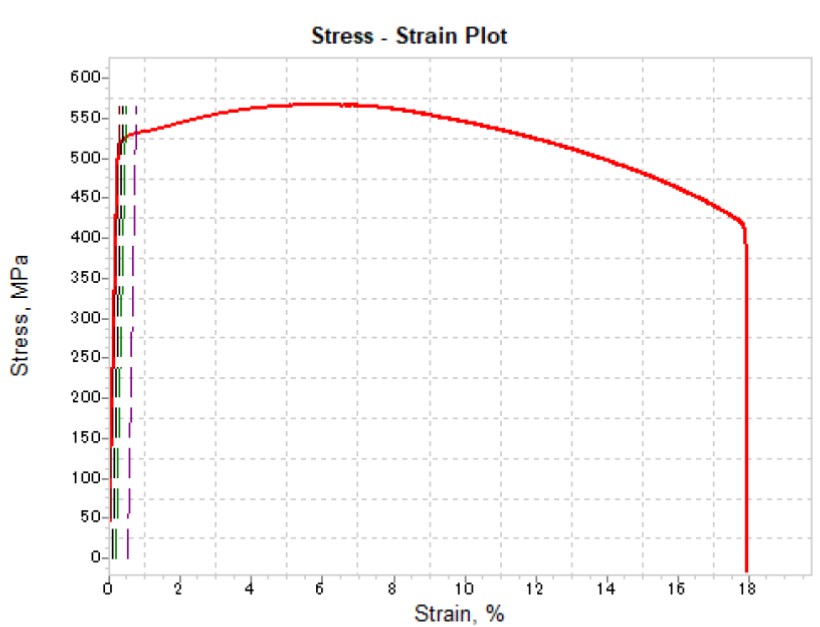
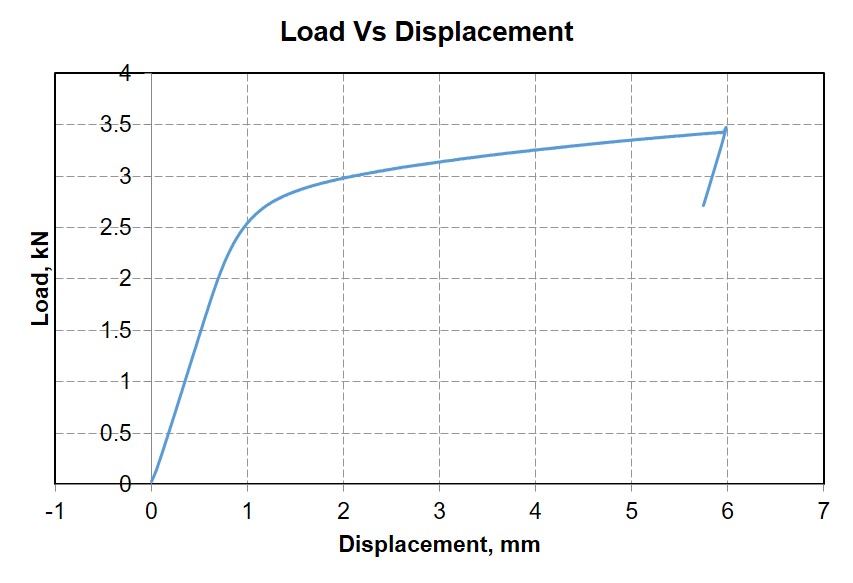
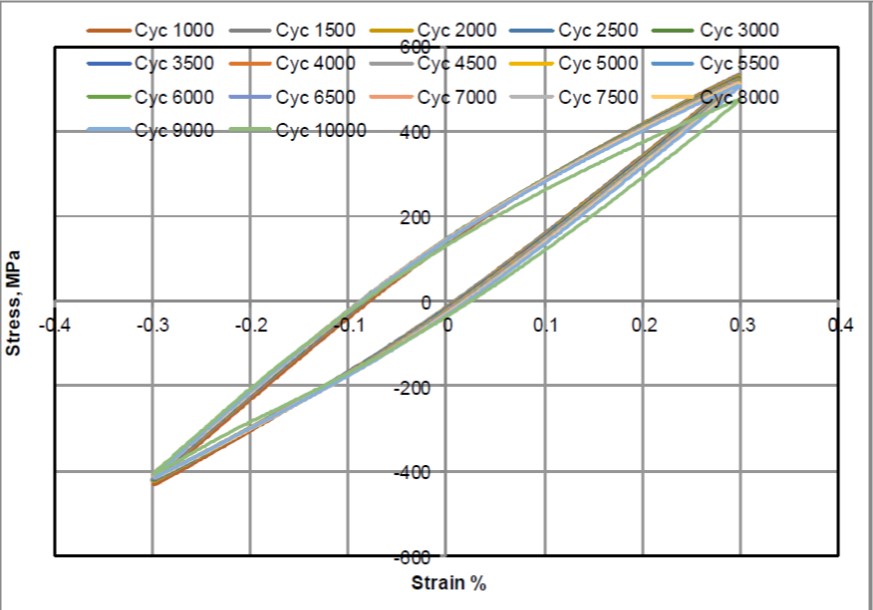
Model No(s): BISS: 100 kN and 25 kN/250 Nm (ATTS)
6) High Performance Computing
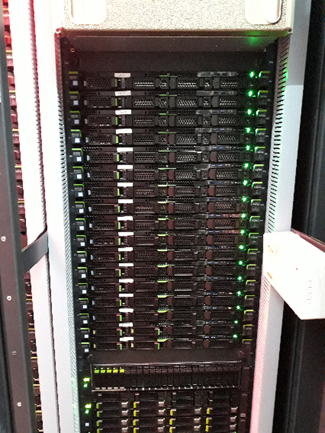
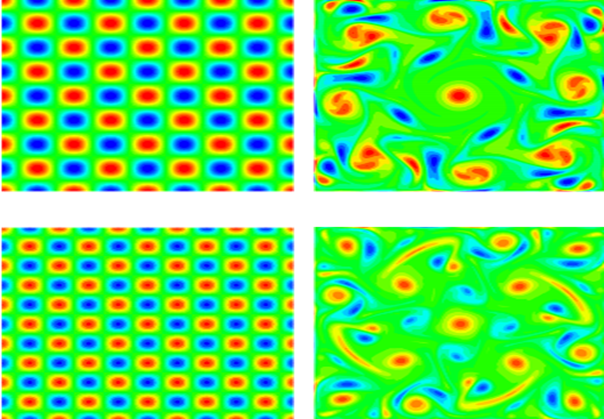
The HPC facility consists of 31 nodes with all CPU cores. The system is connected to the Intel Omnipath infiniband and has 100 TB storage with a parallel file system. The compute nodes have 20 cores per socket and 2 sockets per node and with the following basic info. 1 Master node: (40 cores, 2x Intel Xeon Gold 6146 processor; with 384 GB RAM) 31 Compute nodes: (40 cores each, 2x Intel Xeon Gold 6146 processor; with 192 GB RAM/node). The total theoretical TeraFlops for this cluster are 90TF. The machines are of Fujitsu make and are housed in the smart-rack with precision cooling. The DGX box of nVIDIA for AI/ML kind of workloads is also integrated into the smart rack.
7) Powder X-ray Diffraction (PXRD)
It is a rapid, non-destructive analytical technique and an indispensable tool in material science, chemistry, geology, and pharmaceuticals used for characterizing crystalline materials and gaining insights into their structure and properties. When a crystalline sample is exposed to an X-ray beam of known wavelength, a unique diffraction pattern is generated. If the material has more than one material or phase, then the diffraction patterns for each material are overlapped. By the identification of each pattern within the diffractogram, individual materials or phases can be identified and quantified.
From the interpretation of the observed diffraction patterns using PXRD technique, we will be able to:
- Identify the crystalline phases present in the given material
- Measure crystallite/crystal domain size within discrete crystalline phases
- Calculate unit cell dimensions through pattern indexing
- Phase quantify using standard methods such as simple profile fitting, LeBail, Pawley or Rietveld refinements.
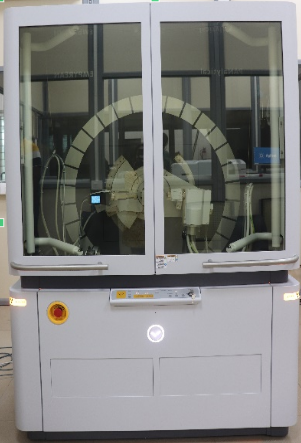
Model: Malvern Empyrean Series 3
8) Probe Station
SPS6 Manual DC/RF Probe Station is Wafer-level electrical measurements of electronic devices and samples. The sample chuck temperature variation is from room temperature to 300 °C.
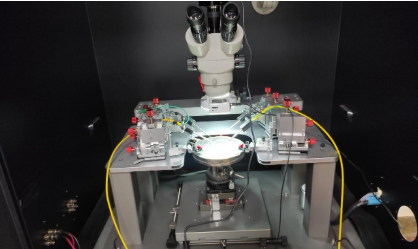
Model: SPS6 Manual DC/RF Probe Station
9) Field Emission Scanning Electron Microscope (FESEM)
The FESEM along with Oxford Energy Dispersive Spectrometer (EDS) is a sophisticated electron microscope that is used to study the morphology, topography and composition of nanomaterials and nanostructures. This microscope is capable of characterizing conducting, semiconducting and non-conducting samples including polymers. The facility also has the metal sputter coater to aid in the characterization of insulating samples.
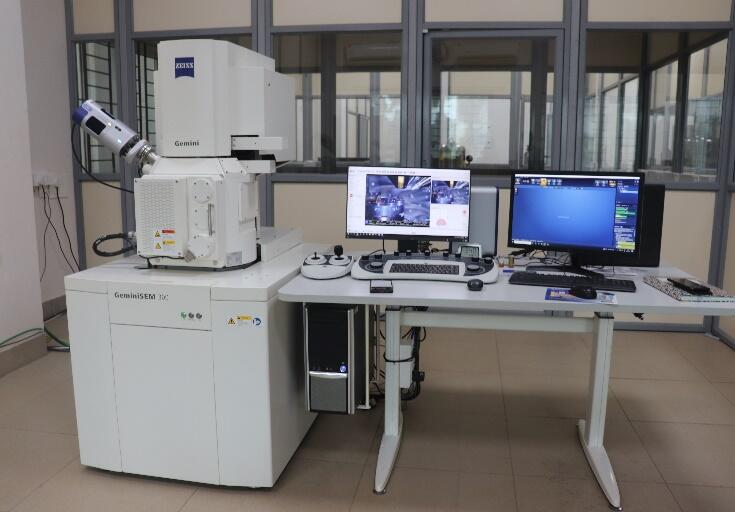
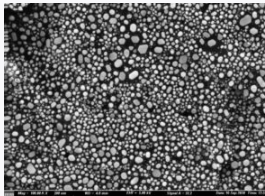
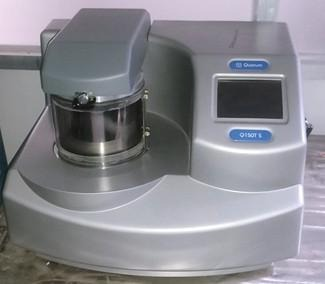
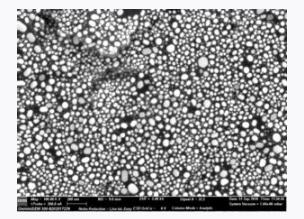
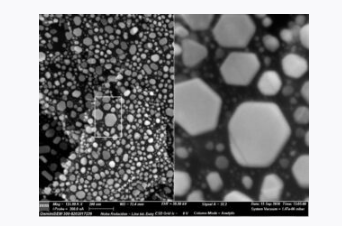
Model: Gemini 300 with Oxford EDS
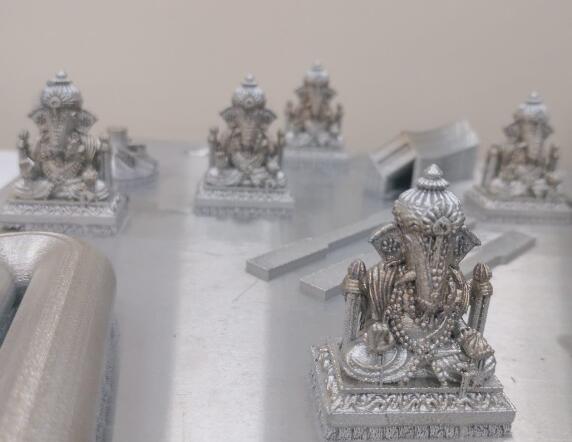
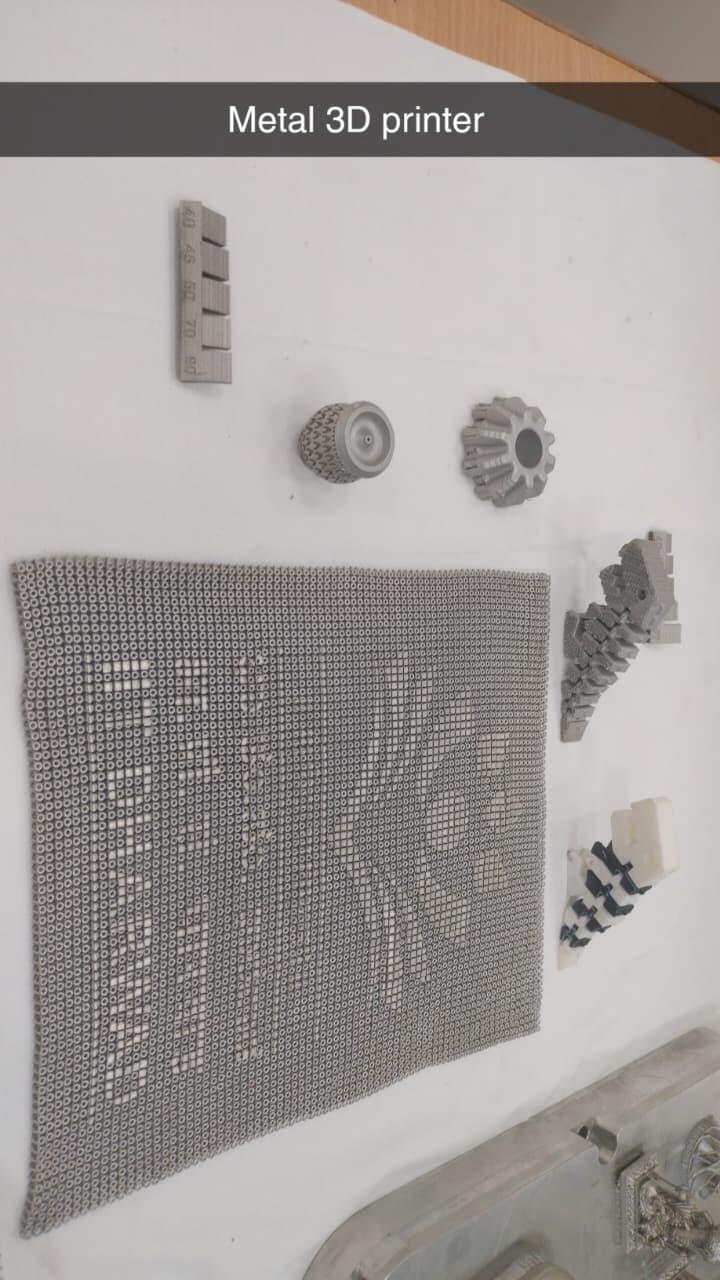
10) Powder Bed Fusion Metal 3D Printer
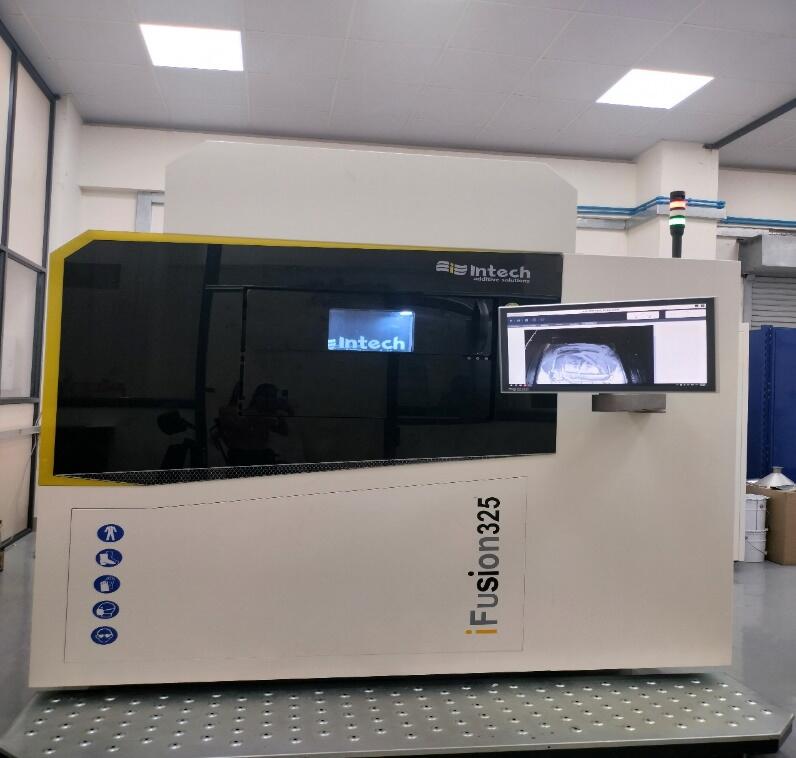
The metal 3D printer based on the powder bed fusion technology is used primarily to manufacture the customized aerospace, medical and automotive components. Metal 3D printer works on the layer-by-layer material build-up approach. This toolless manufacturing method can produce fully dense metallic parts in short time with high precision.
In Powder bed fusion technology each powder bed layer is selectively fused by using energy source, like laser, is the most promising additive manufacturing technology that can be used for manufacturing small, low volume, complex metallic parts.
Booking- Internal and External Users
Click Book Now to open the Google Form for that instrument (opens in a new tab).
| Sl. No. | Facilities | Booking |
|---|---|---|
| 1 | Atomic Force Microscope (AFM) | Book Now |
| 2 | Fluorimeter | Book Now |
| 3 | Field Emission Scanning Electron Microscope (FESEM) | Book Now |
| 4 | Nuclear Magnetic Resonance Spectrometer (NMR) | Book Now |
| 5 | UV-Vis-NIR Spectrophotometer | Book Now |
| 6 | Universal Testing Machine (UTM) / Axial Torsion Testing Machine | Book Now |
| 7 | Probe Station | Book Now |
| 8 | Powder X-ray Diffraction (P-XRD) | Book Now |
| 9 | High Performance Computing (HPC) |
General Information
- Check the charges of facility before making payment.
- Payment has to be made in advance ONLY using
Electronic Transfer. - Electronic Transfer (NEFT) to the following account:
- Account Name: IIT DHARWAD R and D Account
- Account Number: 4070101001880
- Bank Name: Canara Bank
- Bank Branch Name: Belur Industrial Area SME Branch
- Bank IFS Code: CNRB0004070
Annexure-1: Sample Analysis Charges
Field Emission Scanning Electron Microscope (FESEM):
| Academic Institutions | National labs | Industry and others | Internal academic users | ||
|---|---|---|---|---|---|
| Sputter coater | ₹500 | ₹500 | ₹500 | Per sample | |
| FESEM | ₹2500 | ₹3000 | ₹6000 | Per sample | |
| FESEM+EDS | ₹3500 | ₹4000 | ₹8500 | Per sample |
Atomic Force Microscope (AFM) (inclusive of GST):
| Academic Institutions | National labs | Industry and others | Internal academic users | ||
|---|---|---|---|---|---|
| AFM | ₹1500 | ₹2000 | ₹5000 | Per sample |
Nuclear Magnetic Resonance spectrometer (NMR) (400 MHz instrument) (inclusive of GST):
| Academic Institutions | National labs | Industry and others | Internal academic users | ||
|---|---|---|---|---|---|
| Solution NMR+ (1H, 31P, 19F, 11B, 13C) | CDCl3: ₹250 | ₹250 | ₹1200 | Per sample | |
| 1H in other solvent | ₹500 | ₹500 | ₹1450 | Per sample | |
| 13C in CDCl3 (<30 min) | ₹550 | ₹550 | ₹1250 | Per sample | |
| 13C in CDCl3 more than 30 min - 550*X/0.5 (Where X is no. of hours run time for each sample) Considering X=1 | ₹1100 | ₹1100 | Per Hour | ||
| 13C in other solvent (>30 Min) | ₹700 | ₹700 | ₹1000 | Element | |
| 13C in other solvent more than 30 Min- 700*X /0.5 (where X is no. of hours run time for each sample) considering X=1 | ₹1400 | ₹1400 | ₹2000 | Per Hour | |
| 1H,13C and other nuclei (Solid) | ₹1000 | ₹3100 | ₹2400 | Per Hour | |
| DEPT 90 | ₹700 | ₹700 | ₹1000 | Per Hour | |
| E13C_HSQC (30Min) | ₹550 | ₹550 | ₹1250 | Per Hour | |
| HMBC (30Min) | ₹550 | ₹550 | ₹1250 | Per Hour |
+ For the measurements in any other solvents, pls contact us.
*If the time for a measurement exceeds 30 mins, every additional 30 mins will be charged on pro rate basis.
UV-Vis spectrophotometer (inclusive of GST):
| Academic Institutions | National labs | Industry and others | Internal academic users | ||
|---|---|---|---|---|---|
| Solution state | ₹100 | ₹150 | ₹500 | Per sample | |
| Solid state | ₹200 | ₹300 | ₹1000 | Per sample |
Fluorimeter (inclusive of GST):
| Academic Institutions | National labs | Industry and others | Internal academic users | ||
|---|---|---|---|---|---|
| Solution state | ₹100 | ₹150 | ₹500 | Per sample | |
| Solid state | ₹200 | ₹300 | ₹1000 | Per sample | |
| Additional charges for Quantum yield calculations (integrating sphere) | ₹100 | ₹150 | ₹500 | Per sample |
| Non-IITDh Academic Institutions | National labs | Internal users | Industry and others | |
|---|---|---|---|---|
| Tensile Test | ₹150 * | ₹300 * | ₹600 * | |
| Compression | ₹150 * | ₹300 * | ₹600 * | |
| Torsion | ₹150 * | ₹300 * | ₹600 * | |
| Axial Torsion | ₹300 * | ₹600 * | ₹1200 * | |
| Three Point Bend | ₹300 * | ₹600 * | ₹1200 * | |
| KIc (Pre-Crack + testing) | (450 + 225)* | (900 +450)* | (1800 +900)* | |
| JIc (Pre-Crack + Testing) | (450 + 225)* | (900 +450)* | (1800 +900)* | |
| Fatigue Crack Growth (Pre-crack+Testing) | (450+450#) | (900+900#) | (1800+1800#) | |
| Uniaxial Fatigue | 375# | 750# | 1500# | |
| Three Bend Fatigue | 375# | 750# | 1500# | |
| Torsion Fatigue | 375# | 750# | 1500# | |
| Tension-Torsion Fatigue | 450 # | 900 # | 1800 # |
* Per sample # Per hour
Accessories (Rates as per the respective tests)
| Accessories | Non-IITDh Academic (INR) | National R&D Lab. (INR) | Industries and Non Govt.Agencies(INR) |
|---|---|---|---|
| Extensometer | 75 | 150 | 300 |
| Clip On Gauge | 75 | 150 | 300 |
| Operations | Academia | Industry |
|---|---|---|
| Lathe operations for sample preparation for Mechanical testing | Rs 250 per sample | Rs. 1000 per sample |
1. Samples and Fixtures Fabrications Charges
The facility caters to ASTM or their equivalent standard. The samples appropriate to these tests must be provided by the users. However, to help end users, we can also prepare a limited set of standard samples using our fabrication facility. The rates for feasible sample preparation at our fabrication facility are given in the following table. The rates are based on those levied at IITK.
P-XRD:
| Academic Institutions | National labs | Internal Academic users | Industry and others | |
|---|---|---|---|---|
| Normal theta to 2theta scan (15 min Per sample) | 500 | 1000 | 125 | 2500 |
| GIXRD for thin films (15 min Per sample) | 800 | 1600 | 500 | 4000 |
Probe Station:
Rs. 200 per day - working hours
Rs. 50 per Hour


📞 Contact Us
Address:
Indian Institute of Technology dhArwAD
Permanent Campus (PC),
Central Instrumentation Facility(CIF)
Ground Floor Room No. 001-ChikkamalligawAD,
dhArwAD – 580 011, KarnATaka
| Sl.no | Facilities | Email id |
|---|---|---|
| 1 | Atomic Force Microscope (AFM) | op.afm@iitdh.ac.in |
| 2 | Fluorimeter | op.uvfluori@iitdh.ac.in |
| 3 | Field Emission Scanning Electron Microscope (FESEM) | op.fesem@iitdh.ac.in |
| 4 | High Performance Computing | hpcfic@iitdh.ac.in |
| 5 | Nuclear Magnetic Resonance Spectrometer (NMR) | op.nmr@iitdh.ac.in |
| 6 | UV-Vis-NIR Spectrophotometer | op.uvfluori@iitdh.ac.in |
| 7 | Universal Testing Machine (UTM)/Axial Torsion Testing Machine | op.utm@iitdh.ac.in |
| 8 | 3D printer | |
| 9 | P-XRD | op.pxrd@iitdh.ac.in |
| 10 | Probe Station | op.probestation@iitdh.ac.in |