 myIIT
myIIT
Welcome to the Center for Excellence in Indian Knowledge Systems (CoE-IKS)
Center for Excellence in Indian Knowledge Systems (CoE-IKS)
Center for Excellence in Indian Knowledge Systems (CoE-IKS) has been set up at IIT DHARWAD in 2023 to promote all activities related to Indian Knowledge Systems. The research interests of the faculty members in different areas of IKS are listed below and then, the courses offered in IIT dhArwAD in IKS areas are outlined.
The summaries about research areas of interest to faculty members are listed below. For greater details, you may refer to the individual faculty member’s websites of IIT DHARWAD.
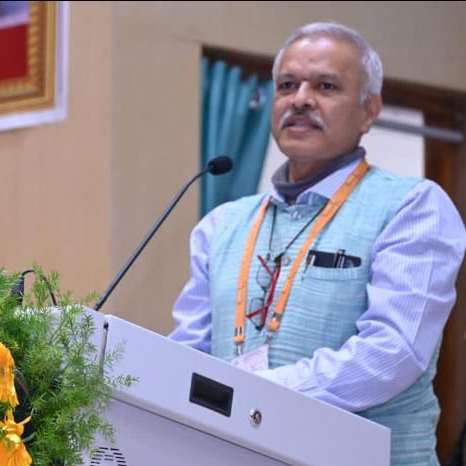
PROF VenkappayyA R. dEsAi
Water Resource Management, Transliteration (LipyantaraN) into different Indian Languages, Sanskrit sambhAshaNam, panchAng, vruksha nakshatra
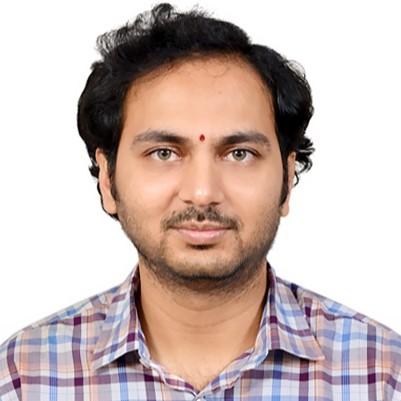
Prof Surya Prakash Ramesh
Our interests are in the engineering and spiritual aspects of temple architecture; science of Ayurveda and the role of the Vaidya in treatment administered and also in revisiting the knowledge of Vimana Shastra (the science of flight)
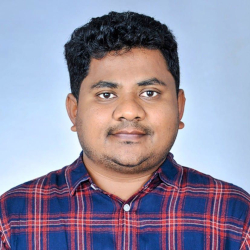
Prof Ramesh Nayaka
We work on the modernization of traditional materials for the restoration of heritage structures; its alignment with the principles of sustainable development is deeply rooted in Indian wisdom. India has a longstanding history of employing eco-friendly and locally sourced materials in its architectural and construction practices.

Prof Konjengbam Anand
Bharat | India, known for its linguistic diversity, is home to over 22 officially recognized regional languages and a multitude of dialects spread across various language families. However, numerous widely spoken languages with smaller resource pools lack formal scripts and technological support, including Lambani, Soliga, and Mundari.
In an effort to enhance the Indian Knowledge System, the Speech Image Text Artificial Intelligence Research (SITAR) initiative focuses on creating linguistic technologies specifically for the Lambani language. The Lambani, or Banjara, community is celebrated for its nomadic traditions and vibrant cultural heritage, predominantly found in many regions of South India.
The efforts of the SITAR team extend to the development of Linguistic Resources (LR), incorporating a variety of tools and components necessary for analyzing, studying, and developing languages. This includes the creation of dictionaries, Part-of-speech (POS) taggers, morphological analyzers, Machine Translation systems, Text-to-Speech technologies, directSpeech-to-Speech translation tools, and datasets geared towards Natural Language Processing (NLP), thereby contributing significantly to India’s linguistic heritage.

Prof Gopal Sharan Parashari
We explore the political economy traditions in ancient Indian literature/shastras, relations between the ancient shastras and modern economic theories and analyse them using macroeconomic theory and game theory.
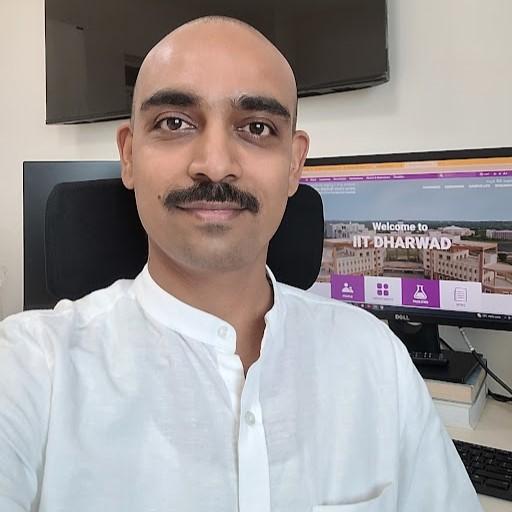
Prof Samarth S Raut
Our interests are in the digitization and three dimensional printing of yogic postures and their neurophysiology.
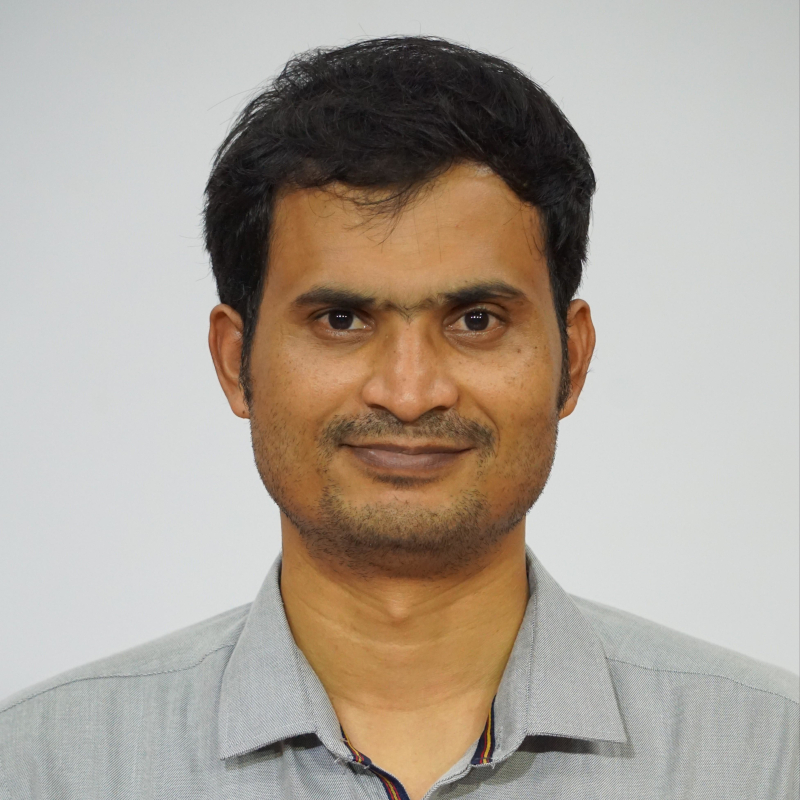
PRof Somashekara M A
Our focus lies in revisiting and understanding the Indian Knowledge System, particularly ancient manufacturing and metallurgical technologies. We aim to apply this knowledge to solve modern engineering problems, leveraging modern technologies such as 3D printing and Additive Manufacturing. Currently, we have two ongoing projects funded by the Indian Knowledge System, AICTE, and MoE.
Project 1: Ancient India saw the fabrication of self-healing structures, exemplified by the Delhi Iron Pillar (known as the Rustless Wonder). The manufacturing method and corrosion-resistant nature (self-healing to corrosion) of such structures are still under investigation.
Project 2: India is renowned for its cultural heritage and diversity, with a rich history of arts and handicrafts. We are interested in fabricating ancient Indian pottery, ceramics, and clay components, many of which are on the verge of extinction today. We aim to use smart technologies like 3D printing to revive these ancient practices.
PROF D Narasimha
Mathematics in Ancient India: Baudhayana's SulbhaSutras to Madhava school in Kerala (firm). Vedanga to Veda (indications).
Astronomy in India: Siddhantik Astronomy (Vararuchi, Aryabhata onwards).
Astronomy in Vedanga and earlier times.
Precession of Equinox, record of Winter Solstice (Uttarayana) and determination of ages [10000 BC (speculative) to Siddhantika period (firm)].
Astronomy and Fire Altars.
Slowing down of the Spin of the Earth (based on Parahita Almanac and Drigganita of Kerala).
Agama in various parts of the country.
IKS Courses Offered at IIT DHARWAD
The academic (teaching) activities of IKS include the offerings of several courses in the broad area of IKS. Presently, two electives which are being offered and are being taken by a large number of students.
a) Happiness and Wellbeing (that includes Patanjali Yogasutras and Bhagavadgeeta as a significant part of the course)
b) Introduction to Indian Knowledge Systems-1 that includes Darshanas, Indian Classical Music, Sanskrit, Indian classical dance, Arthashastra, Ayurveda, temple architecture and Astronomy as a part of the course.
Several other courses such as IKS-2 (that predominantly includes science and technology applications) Music-1, Sanskrit-1 have been approved and courses in Indian languages and technical translations in Indian languages are being planned. We are also planning to start structured academic activities in IKS.
An association called Prabhodini has been formed which regularly conducts seminars and discussion on several aspects related to education and philosophy of life based on Indian values.